Working Hours: Mon–Fri 9:00–18:00 · Sat–Sun Closed
[email protected]
|
(647) 558-8723
Norfolk runs on a lake calendar — cottages wake up around Long Point in May and go quiet again after Thanksgiving, while Simcoe's brick downtown keeps settling through every season in between. IntraBuild patches drywall to that same rhythm: board cut back to solid material, taped, feathered and sanded until the repair is gone, then primed for paint. A single nail pop gets the same care as a full ceiling, and nothing gets cut until the price is written down.
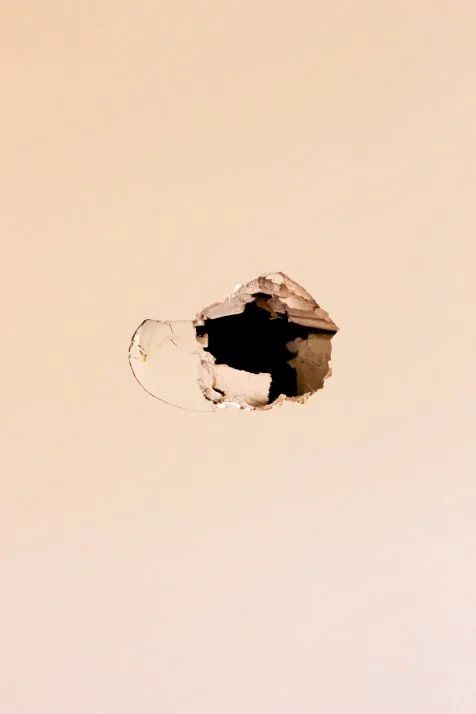
Late April, and the docks are going back in around Long Point before the cottages themselves are properly awake — a shutter comes off, a tap gets turned back on, and somewhere behind a closet door there's a patch of board that didn't survive the winter. IntraBuild works Norfolk's whole calendar, not just the spring rush: a Simcoe brick home settling through another decade, a Waterford farmhouse carrying a tobacco-era addition, a Turkey Point rental between one booking and the next. Every repair gets cut back to sound board, taped, feathered wide and sanded flat, then left primed for paint — the same insured crew that hangs our new drywall.
A cottage near Long Point or Port Dover that's sat closed since October often reopens with a soft patch of board behind a window or in a corner closet — caught during the May walkthrough, it's a clean cut and patch before the first guests arrive.
Beach rentals around Turkey Point change hands most weekends from June through August; the count of nail holes, scuffed corners and doorknob dents climbs with every new group, and gets patched down before the next one checks in.
Tobacco-era farmhouses toward Delhi and Waterford get one more look before the frost — a corner bead that worked loose over summer, a seam that opened where an addition meets the original house, patched before the place sits idle.
A Simcoe brick home or a shut cottage left unheated through January can hide a slow leak behind drywall for months; by the time a stain shows through paint, the board's usually been wet for weeks.
Homes within a block or two of Port Dover's harbour sit on ground that holds more moisture than farmland further inland; it works up through a foundation wall slowly enough that nobody notices until a baseboard feels soft.
The red-brick blocks lining Simcoe's older streets have been settling since before either World War; a hairline crack over a doorway or a gap at the ceiling line is age doing what age does, not damage.
Plenty of Norfolk farmhouses picked up a kitchen or sunroom sometime during the tobacco decades, and the seam where the original plaster meets the newer board is almost always the first place a crack shows.
A cottage that changes hands most summer Saturdays absorbs more suitcases, coolers and rearranged furniture in three months than a year-round house sees all year — small dents that add up fast.
What a Norfolk repair costs depends on the season as much as the damage — a nail pop found during a May cottage opening, a farmhouse seam that's opened by fall, a wall that took on water over a closed winter. As a guide, repairs run $120–650 per repair depending on tier, with a service-call minimum of $500, before HST. Match your damage to a tier below; a cost-by-job table follows.
| One nail-pop patch | $120–200 |
|---|---|
| A farmhouse seam, backed and taped | $220–380 |
| A ceiling that held water over winter | $350–650 |
| Whole rooms / full skim | quoted on site |
A Norfolk repair price always includes the cut, the tape, the sanding and a primed finish — no separate charge for driving out past Simcoe or down to the lake. Most single-repair visits land close to the $500 minimum. These stay guide numbers before HST until we've walked the property or seen clear photos; what we send back in writing is the number that holds.
A theatre space downtown Port Dover that hosts a full season of sets and swapped-out furniture picks up its own share of dinged corners between shows — patched around the schedule, not around our convenience.
Boathouses and bunkies get less attention than the main cottage; a board wall facing the water can hold moisture for a full season before anyone opens the door long enough to notice.
Old tobacco kilns near Delhi that got converted into workshops or storage decades ago still carry the seam where new drywall was tied into whatever was there before — a spot that tends to open again eventually.
Century homes along Waterford's older blocks show plaster hairlines around window and door casings that drywall repair alone won't fix well without matching the original material first.
New arrivals to Simcoe and Waterford tend to leave the same mark behind — a hallway corner clipped by a dresser, a stairwell scraped by something too wide for the turn — usually patched in one stop.
Panels cut for a furnace inspection or a speaker run and never closed turn up in plenty of finished Norfolk basements; we close them properly instead of hiding them under a picture frame.
Water marked low across a kitchen or hallway ceiling in a two-storey Norfolk home almost always began with a bathroom directly above it; the drywall gets fixed once whoever handles the plumbing confirms the source is dealt with.
Outbuildings converted into a shop or a spare living space around the county's farm properties take their own kind of knock — a ride-on mower backing in too fast, a ladder leaned the wrong way — patched the same as any room in the house.
Repair calls run on their own schedule — most Norfolk owners want the hole gone before next weekend, not queued behind someone's kitchen reno.
Compound dust travels further than people expect; poly goes up around the work zone and sanders run through a vacuum attachment wherever the wall allows it, whether that's a farmhouse kitchen or a cottage bedroom.
We price and confirm a repair before touching the wall, and that figure holds — the crew doing the cutting and taping is the same one that builds our full drywall installs.
Every patch leaves the wall sanded and primed, ready for whoever paints next. If matching a hundred-year-old Simcoe wall isn't something you want to attempt yourself, our painting crew can pick it up the same visit.
Most Norfolk repairs get a written price straight from a few clear photos — size, tier and access are usually enough to quote before a truck leaves the yard.
Furniture shifts clear, floors get covered, and the work zone is closed off with poly before a single cut goes into the wall.
Whatever's damaged comes out down to material that's actually sound, then gets backed with fresh framing, mesh or a backing board so the patch has something solid underneath it.
New board or filler closes the gap, mesh or paper tape seals the seam, and the first pass of compound goes down over both.
Compound builds up thin and wide past the edge of the damage over a couple of passes, then gets sanded back until there's no ridge left to find by hand.
Stain-blocking primer goes on wherever water was involved, we walk it with you before we pack up, and the wall's ready for paint that same afternoon.
Most of a Norfolk visit runs start to finish in one stop; a ceiling that held water over a closed season is the one that sometimes needs a second short visit once the compound's had time to cure properly.
Most jobs land between $120 and $650 depending on tier — a small patch at one end, a water-damaged ceiling at the other — with a service-call minimum that scales with the job, before HST. Send photos or book a walkthrough and we'll confirm the exact number in writing.
That's a conversation with your insurer — it depends on your policy and cause. We confirm the drywall damage, fix the source where that's within our scope, and hand over photos plus a written scope for your claims adjuster.
Press it. A section holding moisture usually feels slightly cool and gives a little under your palm compared to the wall around it — different from an old, dry crack, and a sign the board needs cutting back rather than a surface patch.
Different source, similar result — water moving up through a foundation behaves like water moving down through a roof once it's inside the wall. Either way the wet section gets cut back to dry material, not painted over.
Gravity and geometry both work against you overhead — bracing or a platform slows the job down, so a ceiling section typically adds 20 to 30 percent over what the identical repair would run on a wall.
Most Norfolk repairs get a written quote inside 48 hours of photos coming in, and the visit is usually booked within the week — cottage-season timing depends a little on how far out you are.
Yes, by hand — knockdown, orange peel and smooth finishes can all be blended in so the patch reads as part of the ceiling once it's painted, not as a flat spot standing out from it.
Once damage is spread across several rooms, plaster's cracked throughout, or a ceiling's soaked end to end, pulling it down and starting fresh through our drywall installation service usually costs close to the same as chasing every patch — with a cleaner result.
Drywall repair isn't limited to Norfolk County — IntraBuild works right across the GTA and Southern Ontario, all on one written per-square-foot price with no separate travel fee.
Send a photo of whatever's wrong — a cottage window sill gone soft, a Simcoe hairline that's opened again, a farmhouse ceiling that took on water — and we'll size it to a tier and send back a written number, usually inside 48 hours. Small jobs get the same attention as big ones, and asking costs nothing.
Get a free quote