Working Hours: Mon–Fri 9:00–18:00 · Sat–Sun Closed
[email protected]
|
(647) 558-8723
Trace the moisture back and it almost always leads somewhere specific — lake humidity rolling off the water most of the year, a canal-side water table that never quite drops, vineyard irrigation misting a nearby wall, or runoff working down the escarpment after a storm. IntraBuild follows that trail before it ever picks up a knife: cut to sound material, seal what caused the mark, feather the patch until the wall reads clean again. A written price arrives before anything's opened.
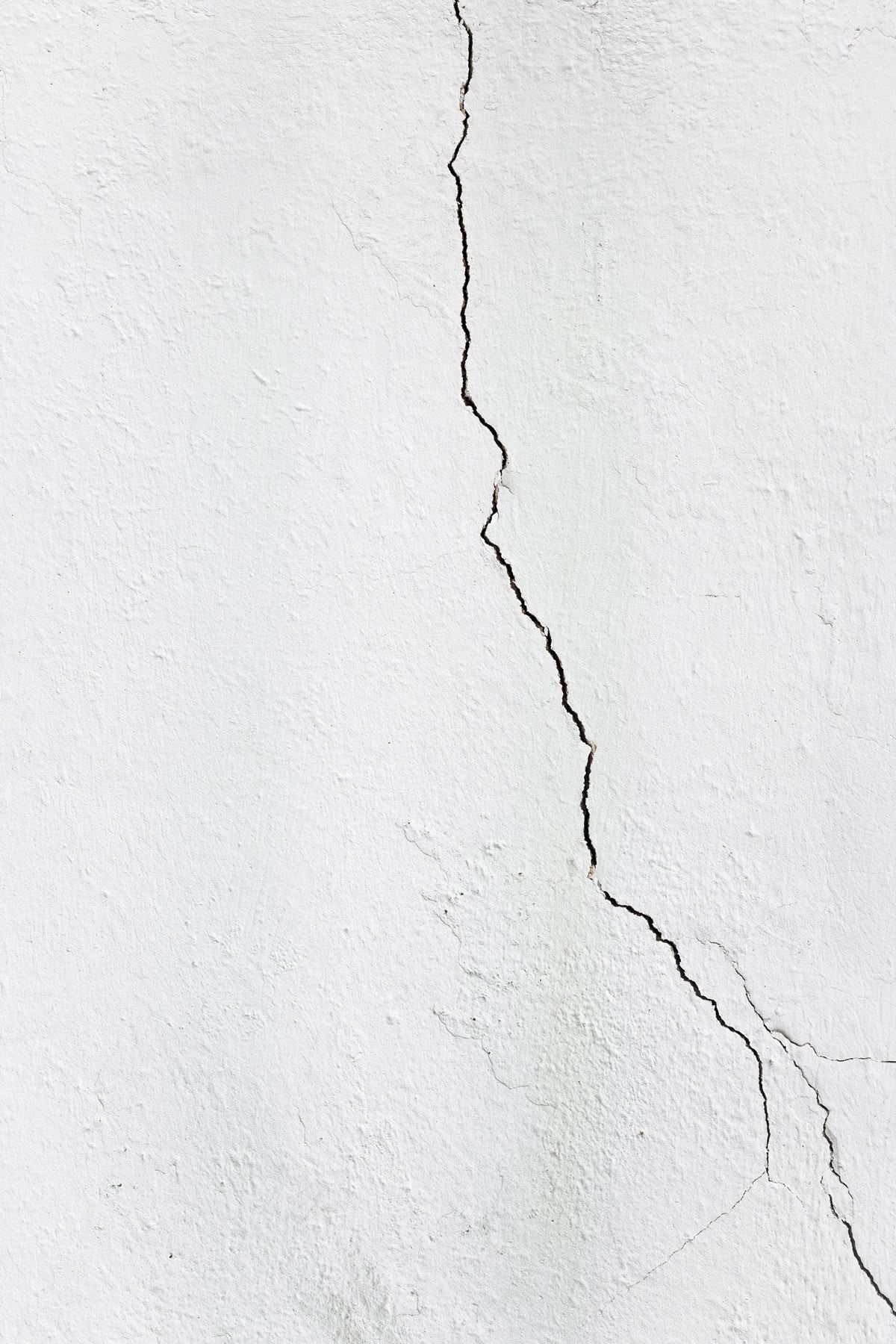
Four sources cover almost every water-related repair call across the peninsula: the lake pushing humidity inland for months at a stretch, the Welland Canal keeping the water table close to the surface, vineyard misting systems throwing fine spray toward a nearby wall on a hot week, and rain working its way down the escarpment after a heavy storm. IntraBuild diagnoses which one is talking before opening anything up — then cuts back to sound material, backs it, tapes it, feathers and sands the patch until it disappears, sealed against a repeat of whatever caused it in the first place.
Months of damp air off the lake push moisture into a house from outside the walls, not just from a leak within them — a seam letting go without any obvious water source usually traces back to this.
Properties close to the Welland Canal sit on ground that holds water near the surface year-round, and a slow stain low on a basement wall or ceiling is often that groundwater working its way up through the foundation.
Irrigation systems near the wine route throw a fine mist that drifts further than you'd expect on a windy afternoon, and an exterior-facing wall can pick up more sustained dampness from it than a homeowner ever notices.
A heavy storm sends water down the escarpment faster than older grading was built to handle, and a home below the ridge can take on a wet-basement stain that has nothing to do with its own roof or plumbing.
Lake-driven humidity doesn't announce itself the way a burst pipe does — it shows up slowly, as a joint that's softened or a corner that's lifted with no visible water damage anywhere close by.
Canal-adjacent groundwater moves upward through concrete rather than dripping down from above, which is why the stain often starts near the floor rather than the ceiling in a Welland basement.
Vineyard misting runs hardest during the growing season, so a wall picking up damage from spray tends to show its worst symptoms in mid to late summer, then seem to recover over winter.
Escarpment runoff arrives all at once during heavy rain, so unlike the slow sources above, this kind of damage often has a specific date attached to it that a homeowner can usually name.
Cost tracks the source as much as the size — a dry crack is one job, a wall that's absorbed canal-side moisture for months is another. Figure $120–650 per repair depending on tier, with a $500 service-call minimum, before HST. The table further down splits it out by scenario.
| Dry crack or nail pop | $120–200 |
|---|---|
| Early seam damage, backed & retaped | $220–380 |
| Groundwater or spray-damaged ceiling | $350–650 |
| Whole rooms / full skim | quoted on site |
Whatever the source, the quote already includes the cut, the backing, the tape, the sand and a paint-ready finish — the drive out doesn't add a cent. Guide figures sit before HST; a written quote confirmed after seeing photos or the property is what actually holds.
Small houses built through the 1940s carry original plaster over wood lath, and eighty-odd years of settling has left it map-cracked in a pattern all its own, one that reads differently from anything modern drywall does.
Homes above the wine route bring feature walls and taller ceilings where a flat spot under the wrong light gets noticed right away, so repairs here are worked by hand, unhurried, rather than rushed.
Older main-street blocks mix ground-floor storefronts with apartments above, over plaster that's outlasted several tenants — closing a hole here means matching what's already survived a hundred years of turnover.
Student housing around Brock University cycles tenants every spring, and the scuffed hallways and holes behind bedroom doors that come with it get closed fast before the next lease begins.
Properties closest to the Welland Canal sit on a higher water table than most of the region, and a slow lower-wall or ceiling stain often shows up long before anyone notices standing water underfoot.
Homes and small inns bordering vineyard land can pick up a fine, sustained mist on exterior walls during irrigation season, softening a seam long before a homeowner connects the two.
Homes sitting downhill from the ridge take on runoff faster after a heavy storm than older grading was ever built to shed, and a basement stain after one bad night is a familiar pattern here.
Seasonal homes along the south shore pick up lake-driven damp between weekend visits, and it's usually not until the next visit that anyone spots the softened corner or the lifted seam.
A single patch in Welland or St. Catharines doesn't sit behind larger renovation jobs on our board — useful when a guest room or a listing has a firm date already attached.
Sanding throws fine dust that travels fast through a house — poly seals off the immediate area, and a dust-collecting sander gets used wherever the job allows, so the rest of the property stays livable for guests or family.
The written number identifies which of the four moisture sources is involved wherever that's relevant, not just a lump sum — so you know what you're paying to fix, not only what's being patched.
Every patch is sealed and primed to hold against whatever caused the original damage, not just against the paint colour going back on top of it.
Send clear photos of the mark and roughly where it sits on the property — lake side, canal side, uphill from the escarpment — and pricing by tier often follows before a visit's even booked.
On site, the source gets identified properly rather than assumed, since a lake-humidity seam and a canal-groundwater stain call for slightly different fixes.
Everything soft or discoloured comes out until what remains is genuinely dry, then gets reinforced with backing board, mesh, or fresh framing underneath.
Board or filler goes back in, joints get mesh or paper tape, and compound follows in its first coat over the repaired area.
Layers build thin and get feathered further out than a typical patch, then sanded until the transition can't be felt or seen.
A stain-blocking primer goes on specifically to hold against whatever caused the original mark, and the wall's left ready for its first coat of paint.
Most repairs work through all six stages in a single stop on the peninsula — groundwater and canal-side jobs are the ones most likely to need a short return trip once the area's had time to dry fully. Same two hands either way.
Most repairs run $120 to $650 depending on tier — a dry patch at the low end, a groundwater-damaged ceiling section at the top — with a service-call minimum that scales with the job, before HST. A free written quote from photos sets the exact number.
Location and pattern, mostly — groundwater tends to rise from low on a basement wall with no fixture nearby, while a plumbing leak usually traces to a specific pipe or fixture overhead. We'll flag which one it looks like before opening anything.
We repair the drywall; the source — a roof, plumbing, canal-area groundwater — needs addressing separately, by us or your roofer or plumber, or the stain returns. We can supply photos and a written scope for a claim, but we don't process claims directly.
Board that's held moisture gets opened well past the visible mark to check what's underneath — if it looks like more than surface staining, that gets flagged before the wall closes back up.
Yes — photos and a written scope covering the drywall portion of the repair can be put together for your adjuster, alongside the invoice once the work's finished.
Yes — hosts near Niagara-on-the-Lake and Niagara Falls regularly book us on tight windows between guests, working from photos so the visit lands, finishes, and dries before the next check-in.
The patch itself holds — but if the underlying source hasn't actually been addressed, a mark can reappear no matter how well the drywall side was handled, which is why naming the source matters as much as the patch.
Generally — overhead work takes longer and often needs a platform or bracing, so ceiling jobs typically land 20–30% above the same repair on a wall.
Drywall repair isn't limited to Niagara Region — IntraBuild works right across the GTA and Southern Ontario, all on one written per-square-foot price with no separate travel fee.
A canal-side stain, a lake-humidity seam, a wall that's caught vineyard spray one season too many — send a few photos and we'll take a first read on the cause along with the tier. Written price typically follows within 48 hours, so there's time to have it patched, sealed and forgotten before the next tour bus or the next booking lands.
Get a free quote