Working Hours: Mon–Fri 9:00–18:00 · Sat–Sun Closed
[email protected]
|
(647) 558-8723
Peel Region breaks its drywall three different ways. A Mississauga high-rise cracks along a seam near a balcony door as the tower flexes at height. A Brampton subdivision settles into ordinary nail pops and hairline cracks through its first few winters. A Caledon farmhouse or estate lot, framed decades apart from either, moves and cracks on a schedule entirely its own. IntraBuild patches all three the same careful way — filled, taped, feathered and sanded flush, then primed and left ready for paint — with a written price for whichever one is yours, agreed before anything gets cut.
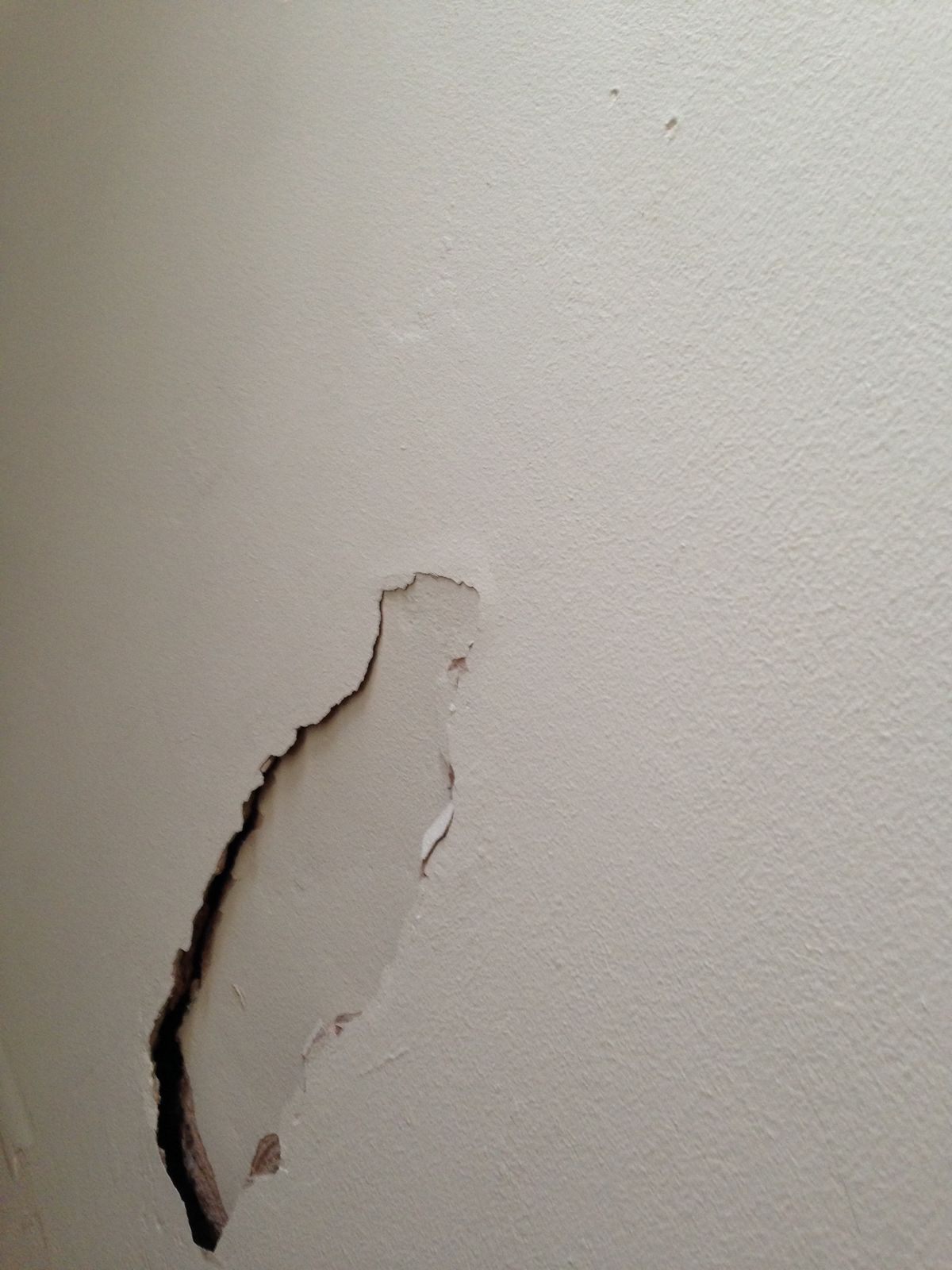
Drive Hurontario from the Mississauga waterfront up to Caledon's gravel roads and the walls change three times before you're out of the truck. Condo towers near the lake, young family subdivisions through the middle of Brampton, century farmhouses and estate lots past the escarpment — three different kinds of drywall, three different reasons it cracks. IntraBuild patches whichever one is yours: holes, cracks, failed seams and water stains filled, taped, feathered and sanded until the repair disappears, then primed for paint. The same insured crew installs our new drywall, which is exactly why the advice on repair versus re-board doesn't come with a sales pitch attached. A price gets agreed in writing before a single cut is made.
High-rise units flex slightly with wind load and temperature swings at height, and the drywall seam nearest a balcony door or window wall is usually the first place it shows — a hairline crack or a seam starting to telegraph through paint.
Springdale, Bram East and the newer pockets keep adding streets, and every fresh frame settles a little as it dries and the seasons turn — a nail pop along a ceiling line, a hairline crack over a doorway.
A legal basement apartment adds new partition walls, doors and ceiling tie-ins that need to blend into existing drywall, not stand apart from it. We match texture and finish so old framing and new disappear into one wall.
Older farmhouses and estate properties around Bolton and Caledon East were often built, or added onto, with framing that doesn't match a standard subdivision wall — we read what's actually there before deciding how to patch it.
Condo towers move slightly at height with wind and temperature — not a structural concern, but enough over time to open a hairline seam crack near a window wall or balcony door.
Subdivisions across Bram East and Springdale are still settling for their first several years; trusses shift slightly, framing dries out, and it shows up as a crack over a door or a gap at the ceiling line.
Adding a basement apartment means new seams, doors and sometimes a dropped ceiling — each one can crack or shadow-line if it isn't tied in and taped properly the first time.
Century farmhouses, converted barns and rural estate homes move with the seasons differently than a subdivision townhouse — old framing, wells and septic systems that shift the ground underneath. Cracks here need a slower read.
The right number depends on which Peel you're patching — a seam crack near a Mississauga balcony door, a settling crack in a Brampton subdivision, or a stained ceiling on a Caledon property. As a guide, expect $120–650 per repair depending on tier, with a service-call minimum of $500, before HST. Pick the tier closest to your damage; a cost-by-job table sits below.
| A single small patch | $120–200 |
|---|---|
| A second-unit partition seam | $220–380 |
| A water-stained ceiling section | $350–650 |
| Whole rooms / full skim | quoted on site |
Patch, tape, sanding and a prime-ready finish are all part of the quoted price, with nothing added for driving anywhere between the Mississauga waterfront and Caledon's back roads. A single repair usually lands near the $500 floor. These figures are guide ranges before HST — the free written quote is what actually sets the number, once we've seen photos or the site.
Square One-area towers and lakeside buildings flex slightly at height, and it's the drywall seam by a balcony door or window wall that usually shows it first — a hairline crack or a seam starting to telegraph through paint.
Newer streets through Springdale, Bram East and Heart Lake are still settling in, throwing nail pops and hairline cracks; add in the region's high rate of legal basement conversions and partition seams are just as common a call.
Out past Bolton, Caledon East and Alton, the building stock changes entirely — century farmhouses, converted barns and rural estate homes with framing and plaster that don't match a standard subdivision wall.
Builders and investors across Peel's active subdivisions often need a batch of deficiency patches — nail pops, small cracks, a scuffed corner — cleared before a closing date. We quote the list once and clear it in a single visit.
A stairwell corner scraped moving a sectional, a hallway wall dinged by a mattress on its way upstairs — Mississauga's older, walkable neighbourhoods keep our crew as busy as any brand-new subdivision.
An old security-panel hole, a speaker-wire opening that never got closed, an electrician's access panel left cut into the drywall — we finish these properly instead of covering them with a picture frame.
That spreading ring on an older kitchen ceiling is nearly always a bathroom leak from directly above. Once it's fixed, we cut the wet board back to something sound and rebuild the ceiling section clean.
A great-room wall or a ceiling line in a newer country property is where fastener pops tend to appear after that first full heating season — the frame and board settling into real humidity swings for the first time.
A one-hole repair in a Streetsville condo or a Caledon farmhouse isn't queued behind a kitchen renovation — Peel Region repair calls run on their own fast track.
Fine compound dust travels further than people expect, so poly goes up around the work zone and, wherever the tool allows, sanding runs through a vacuum attachment instead of open air.
Nothing starts until a number is agreed in writing — no surprise add-ons once drywall's cut open — and the crew doing the work carries the same insurance as our new-build installs.
Sanded smooth and primed is the standard handoff. When matching a colour isn't something a homeowner wants to tackle, our interior painting crew picks it up in the same visit.
Send clear photos of the damage and, for most repairs across Peel, we can size it to a tier and quote it before we've even scheduled the visit.
Floors and furniture get covered, poly closes off the work area, and drop sheets catch dust and debris before the first cut goes in — condo hallway or farmhouse foyer, same standard.
Damaged board is cut back to sound material and backed with fresh board, mesh or new framing, giving the patch something real to hold onto.
The opening gets backed and filled, each seam taped in mesh or paper, before the first coat of compound goes over the repair.
Coat by coat, compound spreads wider each pass until sanding erases any sign of where the repair starts.
We prime with a stain-blocking coat wherever it's needed, walk you through the finished patch, and leave the wall paint-ready before we go.
Across Peel, all six stages typically wrap in a single visit. The exception is distance and drying time — a Caledon property further out, or any water-damaged ceiling in the region, might call for a short second trip once compound has cured.
Most repairs run $120 to $650 depending on tier — a small patch at the low end, a water-damaged ceiling section at the top — with a service-call minimum that scales with the job, before HST. A free written quote from photos or a visit sets the exact number.
We section the work area off with poly sheeting and use vacuum-attached sanders wherever the tool allows, which keeps fine compound dust from settling into hallways, condo corridors or the rest of the room.
Always — floors get covered, furniture that can't be moved gets draped, and drop sheets go down before the first cut, whether we're in a Mississauga condo or a Caledon farmhouse.
The repair itself is left primed and paint-ready; matching the exact colour isn't included in the repair price, but our interior painting crew can blend it in during the same visit if you supply or confirm the shade.
Most patches, cracks and nail pops wrap in a single visit — cut, backed, taped, feathered, sanded and primed by the end of the day. Bigger jobs, or anything that needs compound to fully cure, might need a short follow-up visit.
Yes — new partition walls, doors and ceiling tie-ins from a basement-apartment conversion are one of our most common Peel calls, matched and finished so the new work disappears into the existing drywall.
Generally yes — overhead work is slower to set up and often needs bracing or a small platform, which typically pushes a ceiling repair about 20–30% above the same job on a wall.
Yes — Caledon is part of our regular Peel Region coverage, from Bolton to Caledon East and the surrounding countryside, at the same pricing and written-quote process as anywhere else in the region.
Drywall repair isn't limited to Peel Region — IntraBuild works right across the GTA and Southern Ontario, all on one written per-square-foot price with no separate travel fee.
A Brampton homeowner sent us three photos of a hallway crack on a Tuesday morning; by Thursday the patch was sanded, primed and dry enough to paint before the weekend. That's the usual shape of a repair here — photos in, a written price back, a visit that fits your schedule whether you're in a Mississauga tower or a Caledon farmhouse. Small jobs are genuinely welcome. Free, no pressure.
Get a free quote