Working Hours: Mon–Fri 9:00–18:00 · Sat–Sun Closed
[email protected]
|
(647) 558-8723
Salt air and sand off Lake Erie work into a Port Stanley wall one way; a century of rail-yard brick dust works into a St. Thomas character home another. IntraBuild reads each on its own terms, whichever side of the county the call comes from: whatever's damaged comes out, gets backed if it needs it, taped, brought flush, and finished with a primer coat that's ready for paint. A single nail pop gets the same care as a full ceiling. One number, in writing, before anything is cut.
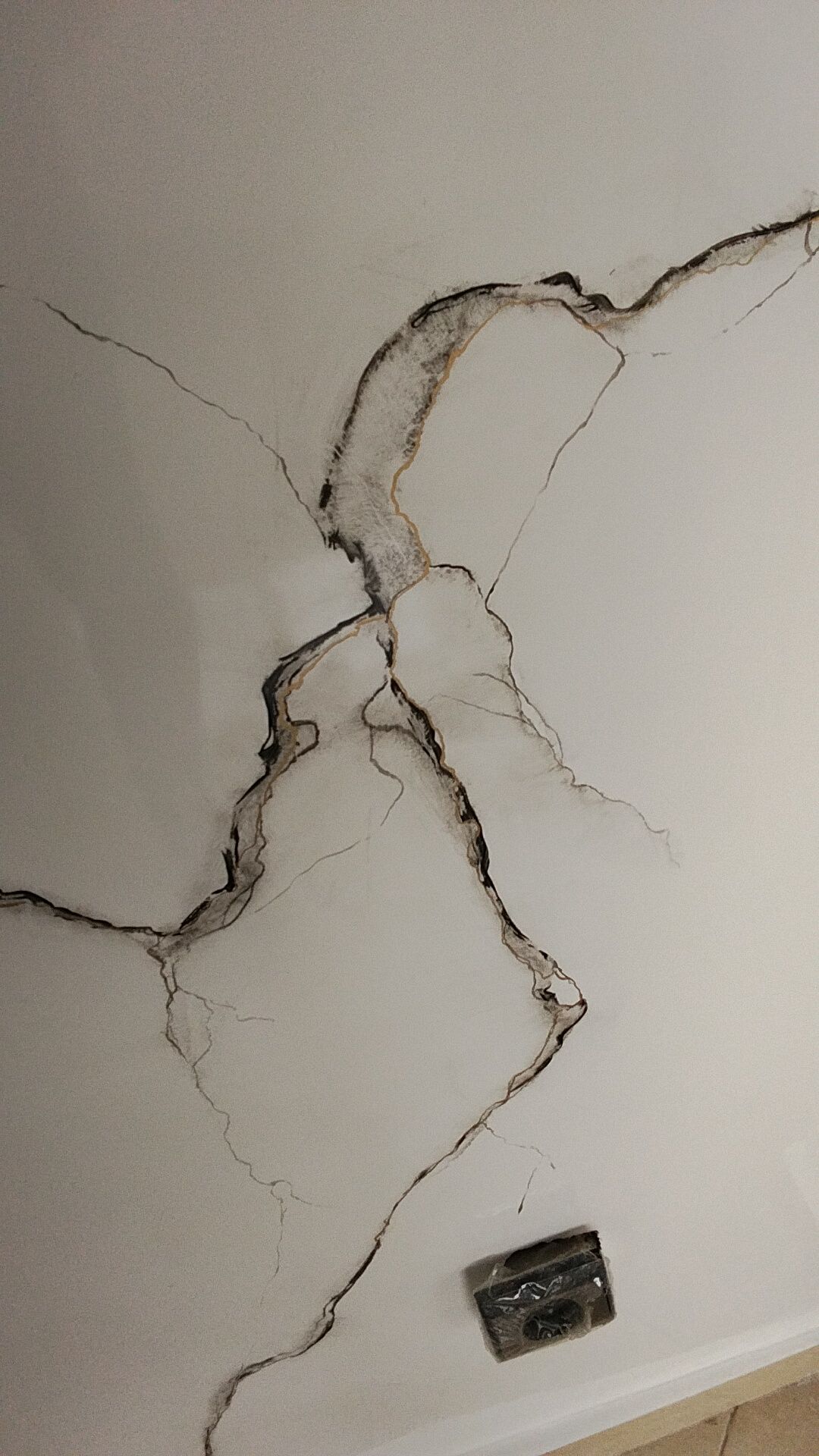
Run a thumb along a Port Stanley baseboard and it comes back faintly gritty — sand and salt air work into a beach-town wall in a way an inland house never sees. Run the same thumb along an exposed lath edge in a St. Thomas character home near the old rail yards and it comes back pale with old plaster dust, a different texture shaped by a different hundred years. IntraBuild repairs drywall on both sides of that line — cottages and rentals near the harbour, brick homes and a fast-growing rental market around the new battery plant, farmhouses in between toward Aylmer. Every job gets carried through the same stages: cut to solid material, backed, taped, feathered level, then sealed with primer so it's ready to paint. Handled by the crew that frames our new drywall installs, not a separate repair-only team.
Cottages and rentals within a couple streets of Port Stanley's harbour carry more moisture in the air than an inland house; it settles behind trim and shows up as soft board near a closet or an exterior corner.
A Little Beach cottage that turns over most summer weekends collects nail holes, scuffed corners and doorknob dents fast — patched down before the next group arrives, not left to stack up.
Older St. Thomas homes near the Canada Southern station often mix original lath-and-plaster with a later drywall addition; the joint between the two is the usual spot for a bubbled tape seam.
With the new battery plant pulling workers into St. Thomas, more units change hands than a few years back — nail holes and wall scuffs cleared before the next lease starts.
Homes near Port Stanley's harbour carry more year-round moisture than an inland property; it works into a poorly ventilated corner and shows up as soft, discoloured board months before it's visible on the surface.
St. Thomas is growing quickly with the new plant drawing workers in; every move-out now brings its own round of nail holes and scuffed corners that weren't part of the market a few years ago.
Aylmer's agricultural townships have been shifting with the frost for generations; the cracks and gaps that turn up on a farmhouse wall are normal, and easy to patch once the pattern's familiar.
An access panel a plumber or electrician cut and never closed, an old thermostat hole, a wall opened for a since-finished project — common enough in Elgin's older housing stock, harbour or rail town.
Pricing in Elgin comes down to what the wall needs, not which end of the county it's on — a quick patch between St. Thomas tenants costs the same as one in a Port Stanley cottage. As a guide, expect $120–650 per repair depending on tier, with a service-call minimum of $500, before HST. Match your damage to a tier below; a cost-by-job table follows.
| One nail-pop patch | $120–200 |
|---|---|
| A rental-turnover hole, backed | $220–380 |
| A humidity-stained wall or ceiling | $350–650 |
| Whole rooms / full skim | quoted on site |
Every Elgin price folds in the cutting, the taping, the sanding and a coat of primer — no extra charge for St. Thomas over Port Stanley or the other way round. A single-repair visit typically lands close to the $500 minimum. These stay guide figures before HST until we've seen the site or clear photos; the written quote that follows is final.
A block off Port Stanley's harbour, salt air and lake humidity had worked into a bedroom wall over a closed winter — cut back, dried out, backed and patched before the first weekend guests.
A landlord near the old rail yards clearing a unit between tenants — nail holes from temporary art, a scuffed hallway corner, a doorknob dent — patched in one stop before the next lease starts.
A hairline over a kitchen doorway that opens every spring as the ground thaws, on a farmhouse that's been doing the same thing for decades — cut back and finished flush so it holds through the next one.
An older St. Thomas home converted to a rental as the new battery plant pulled in workers, with a plaster-to-drywall seam from a decades-old addition — patched to suit both materials.
A moving truck on a St. Thomas street leaves the same mark it always does — a gouged hallway corner, a scraped stairwell — usually cleared in a single stop.
A speaker-wire hole never closed, an old furnace-inspection cut, a panel an electrician left behind — turns up in plenty of finished Elgin basements, closed properly instead of framed over.
Places out toward Port Burwell and Straffordville pick up their own share of moving-furniture scrapes and boat-gear dents through the summer — patched the same as anywhere else in the county.
St. Thomas's older downtown streets carry plenty of narrow stairwells that catch a corner during any move — a common, fast repair on this side of the county.
A rental patch or a farmhouse hairline doesn't sit behind bigger renovations; repair calls get scheduled on their own, because most landlords want a unit ready before the next tenant walks through.
Fine dust from sanding compound doesn't stay put on its own; poly closes off the work zone and our sanders pull through a shop-vac line whenever the wall allows it, keeping the rest of a rental — or a cottage — livable throughout.
The price is set and agreed before the wall opens, with nothing added once work begins, by the same fully insured crew that builds our full drywall installs.
Every patch leaves the wall sanded and primed — hand it to your own painter, or let ours blend it in during the same visit. Handy for a landlord racing a turnover date.
A handful of clear photos generally tells us everything needed to assign a tier and put a number in writing, often before the truck's even loaded.
Nearby furniture shifts clear, floors get covered, and poly goes up around the work zone before any cutting begins.
Whatever's soft or cracked is cut back until only sound board or plaster is left, then backed with mesh, framing or a backing board.
Filler or fresh board closes what's missing, mesh or paper tape locks the seam down, and the opening coat of compound goes over top.
Compound goes on in thin, wide layers over a couple of passes, then gets sanded until nothing's left to catch the light or the hand.
Stain-blocking primer covers wherever moisture was a factor, the repair gets walked through together, and the wall is ready for paint that same visit.
Most Elgin jobs run start to finish in one visit, whichever side of the county they're on. A humidity-soaked wall near the harbour is the one that sometimes needs a short second trip once the compound has cured.
Most repairs run $120 to $650 depending on tier — a small patch at the low end, a humidity- or water-damaged section at the top — with a service-call minimum that scales with the job, before HST. A free written quote from photos or a visit confirms the exact number.
Yes — plaster and drywall behave differently under a trowel, and a lot of the older character homes near downtown mix both in the same house. We treat each material on its own terms instead of forcing one technique across both.
In most cases, yes — knockdown, orange peel and smooth finishes can all be matched by hand so the patch blends into the surrounding texture instead of reading as a flat spot once it's painted.
We match board thickness to what's already there, back larger holes with a backing board or mesh, and tape seams with mesh or paper tape depending on the job — the same materials that go into a new install.
Overhead work needs bracing or a platform and moves slower than a wall repair, so a ceiling section typically costs 20 to 30 percent more than the identical patch at eye level.
Fixing the drywall is our part; whatever let the water or humidity in — roofing, plumbing, ventilation — has to be dealt with separately, by us where that's in scope or by your own contractor, otherwise the mark just comes back. We'll put together photos and a written scope you can hand to an adjuster, but the claim itself stays between you and the insurer.
Most single-visit patches — nail holes, scuffs, a hairline crack — are quoted from photos and completed inside a week of first contact, which usually lines up with a tight turnover window between tenants.
Once several rooms show damage, or humidity has gotten into most of one wall, tearing it out and re-boarding through our drywall installation service tends to land near the same total as chasing patch after patch, with a tidier result at the end.
Drywall repair isn't limited to Elgin County — IntraBuild works right across the GTA and Southern Ontario, all on one written per-square-foot price with no separate travel fee.
A Port Stanley cottage owner and a St. Thomas landlord get the same process from us — send a few photos, get a number back in writing, usually within 48 hours. Small jobs welcome on either side of the county, and asking costs nothing.
Get a free quote