Working Hours: Mon–Fri 9:00–18:00 · Sat–Sun Closed
[email protected]
|
(647) 558-8723
Run a thumbnail across a badly patched wall and you can usually tell — a ridge where the compound stopped short, a flat halo under a pot light, a seam that catches the afternoon glare off the lake. IntraBuild works the other way: compound built in thin, wide coats, feathered past where the eye expects it to stop, sanded until a level can't find the edge. An anchor hole behind a rehung art collection, a hairline crack where custom millwork meets drywall, a soft ring above a soaker tub — each gets the same unhurried attention before it's handed back primed, paint-ready and invisible. A written price arrives before anything gets cut.
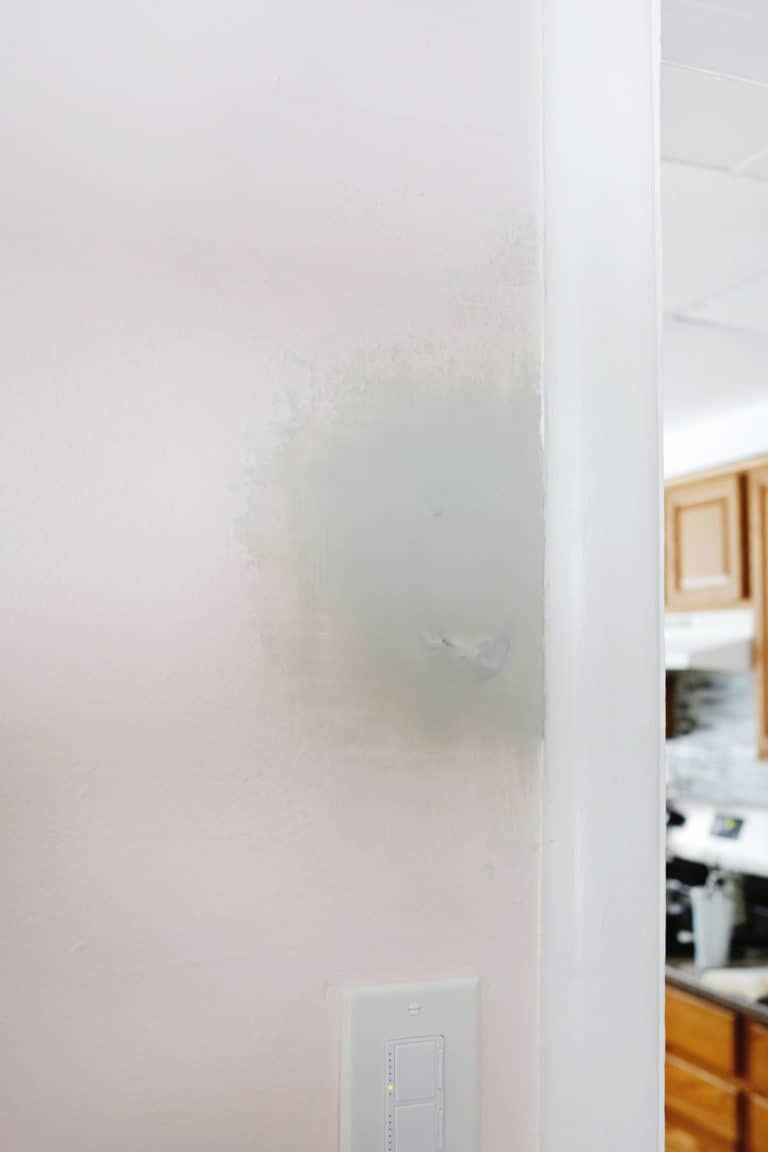
Compound, mesh tape, a stain-blocking primer and a steady hand — that's the whole kit IntraBuild brings to a repair, used in Oakville with more patience than most homes ask for. An anchor hole behind a relocated painting, a stained ring over an ensuite soaker tub, a hairline crack where custom millwork meets drywall: each is filled in thin layers, feathered wide, and sanded until the patch reads as flat under a window wall as it does under a single bulb. The same crew hangs our new drywall installs, so when a wall is genuinely easier to re-board than chase with patches, you hear that plainly instead of being sold another repair. One written price, agreed before anything opens up.
A moved gallery wall, a floating shelf that pulled loose, a picture rail retired for good — the hole gets backed, filled in layers thinner than most patchers bother with, and feathered until pot-light raking light finds nothing to catch.
Where crown moulding, a coffered ceiling or wainscoting meets drywall, two materials move at two different rates. We cut back to sound board, re-fasten, re-tape, and keep the line hidden — not just repainted over it.
Tall foyers and open stairwells take the first hit on moving day, and corner bead there shows it fastest. We straighten or replace the bead and feather the return so the corner reads sharp from across the room again.
A soaker-tub overflow, a slow shower-pan leak, condensation over a bonus room — the stained board is cut back to dry material, sealed with a stain-blocking primer, and rebuilt before it bleeds through a fresh coat.
Newer construction around Joshua Creek and West Oak Trails is still moving through its first several years — a hairline crack over a doorway, a gap where ceiling meets wall, is ordinary settlement, not a build defect, and it patches cleanly once you know that.
Oakville's resale pace means a home going up for sale often needs anchor holes filled and a hallway scuff feathered before the photographer shows up — work that still deserves a proper patch, not a five-minute dab of filler.
Multiple ensuites and soaker tubs put more sustained moisture near drywall than a typical home sees, and the ceiling below or the wall behind tile is where a slow stain shows first — paint alone won't hold it back for long.
A kitchen or basement renovation that wrapped up months ago can still leave an access panel an electrician cut, a speaker-wire hole, or a thermostat opening nobody closed. We finish what was left for someone else.
What a repair costs comes down to what the finish actually demands — an anchor hole filled flush, a corner bead re-set with fresh backing, or a stained ensuite ceiling cut back, sealed and rebuilt. As a guide, plan on $120–650 per repair depending on tier, with a service-call minimum of $500, before HST. Match your damage to the tier below; a job-by-job table follows.
| Small anchor hole, feathered flush | $120–200 |
|---|---|
| Corner bead or hole, backed properly | $220–380 |
| Ensuite or bonus-room ceiling, rebuilt | $350–650 |
| Whole rooms or a full skim coat | quoted on site |
Every price covers the patch, the tape, the sanding and a prime-ready finish — nothing extra for the drive. A single anchor hole typically lands close to the $500 minimum. These are guide figures before HST; a free written quote sets the real number once we've seen photos or the room itself.
Glen Abbey's housing stock is mostly twenty-plus years in now, and by this point most homes carry a stairwell scuff or a repainted foyer corner from a decade of moving days. We straighten the bead, feather the wall, and hand it back ready for a fresh coat.
The newer streets around Joshua Creek and Westmount are still working through their first settling cycle. A hairline crack over a bedroom door, or a gap at a ceiling line, is common under ten years old — and a properly backed patch holds through the next cycle too.
South of Lakeshore Road, century homes and newer infill sit side by side, and the older ones often carry a plaster-to-drywall transition from a past addition. Knowing where to patch in drywall and where to work with the plaster instead matters more here than anywhere else we go.
Families in these neighbourhoods call for the everyday stuff — a doorknob hole behind a bedroom door, a dented corner from a moved dresser — and every one of those gets the same feathered, sanded finish as a formal dining room wall.
A listing date already on the calendar means anchor holes filled and a scuffed hallway feathered before staging furniture goes in — we're used to working around both, and can often turn it around inside the 48-hour quote window.
A contractor finishes a kitchen or bath reno and leaves the drywall for someone else to close out — we patch the cut-outs and blend new board into old, so your painter starts on a wall that's actually finished, not just closed up.
Even a carefully built home can show a nail pop working loose in its first year, faint under a fresh coat but visible in the right light. Re-fastened, re-taped and feathered so it doesn't telegraph through the next repaint either.
A wiring install in a finished basement often leaves speaker-wire holes and access cut-outs behind — closed flush so the wall reads as one surface again, not a row of small repairs waiting to be noticed.
Repair calls run on their own fast schedule, separate from bigger renovation work — because most homeowners want the mark gone before the next dinner party, not next month.
Hardwood, area rugs and furniture are protected before a tool comes out, poly seals the work area, and sanding runs through vacuum-attached tools wherever possible, so dust never travels past the room we're in.
Every repair is priced and confirmed before we start — no add-ons discovered once the wall is open — by the same fully insured crew that builds our new drywall installs.
Every patch leaves sanded smooth and primed. If chasing a discontinued paint code or a designer sheen isn't how you want to spend a Saturday, our painting crew can blend it in during the same visit.
Send clear photos or book a look — most repairs can be quoted and sized to a tier before a single tool leaves the van.
Floors, rugs and furniture are protected, poly goes up around the work area, and drop sheets are down before the first cut is made.
Anything soft or damaged is cut back until what's left is solid, then backed with board, mesh or fresh framing so the patch has something real to hold onto.
New board or filler goes in, seams get mesh or paper tape, and the first coats of compound are laid down.
Compound builds in thin coats, feathered past where most patchers stop, then sanded until a level or a raking light can't find the edge.
A stain-blocking primer goes on where it's needed, we walk the repair with you, and the wall is left ready for paint that same day.
Most repairs clear all six stages in one visit — a stained ceiling might need a short second trip once the compound has fully cured. Either way, the same two hands finish what they started.
Most repairs land between $120 and $650 depending on tier — a small anchor-hole patch at one end, a rebuilt ceiling section at the other — with a service-call minimum that scales with the job, before HST. Photos or a visit get you an exact, written number.
Yes — for smooth, high-end walls we build the compound in extra-thin coats and feather it noticeably wider than a standard patch, so it stays flat under raking light from a window wall or a row of pot lights.
Not if it's feathered properly. A patch that stops abruptly shows as a flat halo under angled light — ours is built out gradually enough that the transition disappears rather than announcing itself.
Most patches, cracks and nail pops finish in a single visit — cut, backed, taped, feathered, sanded and primed the same day. A job needing full cure time between coats might need a short second stop.
Yes, typically — overhead work is slower and often needs bracing or a platform, so ceiling repairs usually run 20–30% above the same job on a wall.
The repair is left primed and paint-ready, but painting itself isn't in that price. If a specific sheen or paint code matters, our painting crew can blend it in during the same visit.
For most Oakville homes, yes — a backed, taped, feathered patch disappears under paint permanently, while a tube of hardware-store filler tends to reappear as a flat spot once the light changes. At a $500 minimum either way, doing it once properly is the cheaper option long-term.
Contained damage — a few holes, one cracked seam, a single ceiling stain — is faster and cheaper to patch. Once a room's carrying damage in several spots or water across most of a ceiling, full re-board through our drywall installation service usually costs about the same and leaves a cleaner result.
Drywall repair isn't limited to Oakville — IntraBuild works right across the GTA and Southern Ontario, all on one written per-square-foot price with no separate travel fee.
Three things and you're done: a photo of the damage, a sense of how many spots need attention, and your address. From that, IntraBuild sizes the repair to a tier and replies with a written price, usually inside 48 hours. Small jobs get exactly the same care as a full ceiling rebuild, and the finish always comes back ready for paint. Free to ask, no pressure to book.
Get a free quote