Working Hours: Mon–Fri 9:00–18:00 · Sat–Sun Closed
[email protected]
|
(647) 558-8723
Halton Region runs a gradient, not a grid — lakeshore stock in Oakville and Burlington, growth-belt subdivisions through Milton, and rural Halton Hills toward the escarpment. IntraBuild follows that line south to north: humidity staining near the water, settling cracks in the newer streets, older village-core plaster further out. Every repair, wherever it falls on that map, is filled, taped, feathered and sanded flush, then left primed and paint-ready. Small jobs are welcome, and every price is written and agreed before anything is cut.
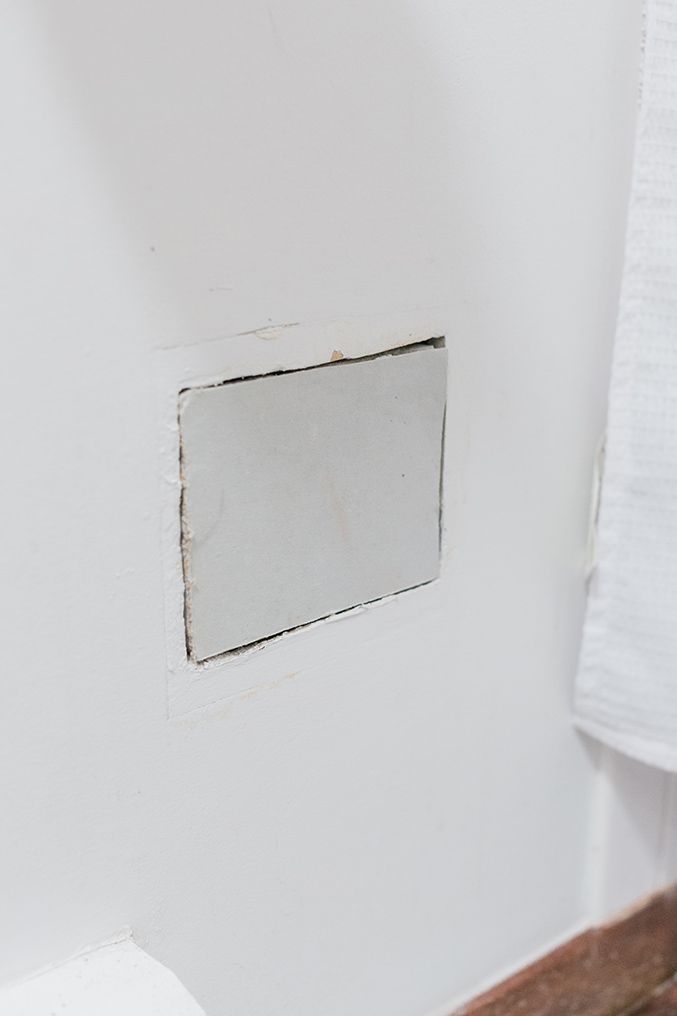
Run a hand across a patched seam in a Bronte Village foyer and you shouldn't feel where the old wall ends and the new compound begins — that's the standard we hold from Burlington's waterfront up through Milton's newest streets to Halton Hills' older village cores. The materials change with the map: a stain-blocking primer for lakeshore humidity, fresh mesh tape for a settling subdivision seam, a patient hand for century plaster past Georgetown. IntraBuild fills, tapes, feathers and sands every one of them until the repair disappears, then leaves it primed for paint. That crew also installs our new drywall, so when re-boarding beats patching, you'll hear it plainly instead of getting upsold. A written number comes first, before anything gets cut.
Homes along Burlington's and Oakville's lakeshore see humidity swings a few kilometres inland don't — condensation staining near ceilings that needs a stain-blocking primer to actually stay covered instead of bleeding back through fresh paint.
Fresh subdivisions through Milton settle for their first several years — nail pops along a ceiling line, a hairline crack over a door frame. Standard, and easy to patch once the framing's finished moving.
Executive finishes and detailed millwork mean the patch has to match perfectly before paint, not just cover the damage — smooth, feathered wide, sanded to the same standard as the wall around it.
Halton Hills' older village cores carry a mix of century homes and mid-century builds, each cracking a little differently than a modern subdivision. We read the house before we patch it.
Homes close to the water deal with bigger humidity swings than inland properties, and it surfaces as staining near ceilings and exterior walls if it isn't sealed with the right primer.
Executive Oakville interiors are often finished to a smooth standard, which means even a small nail pop or seam shows up more than it would on a textured wall — precision matters more here.
Newer subdivisions move a little as they settle into the ground and dry out over their first few winters — a hairline crack over a doorway or a gap where the ceiling meets the wall. Normal, and an easy patch.
Halton Hills' century farmhouses and mid-century village homes move with the seasons on their own schedule, framed decades before the subdivisions closer to the lake. Cracks here follow the old framing, not a standard stud line.
What a Halton repair runs depends on where on the map it sits — a humidity stain on a Burlington ceiling, a settling crack in a Milton subdivision, or a precise patch in an Oakville executive home. As a guide, expect $120–650 per repair depending on tier, with a service-call minimum of $500, before HST. Pick the tier closest to your damage; a cost-by-job table sits below.
| A single small patch | $120–200 |
|---|---|
| A door-knob hole with backing | $220–380 |
| A humidity-stained ceiling section | $350–650 |
| Whole rooms / full skim | quoted on site |
The quoted price already includes the patch, tape, sanding and a prime-ready finish, with no extra charge for the drive between the lakeshore and the escarpment. Most single-repair visits sit close to the $500 floor. These are guide figures before HST; the free written quote confirms the real number after we've seen photos or visited.
Joshua Creek, Glen Abbey and the homes along Lakeshore Road are often finished smooth with detailed millwork around every doorway. A patch here has to disappear completely — matched sheen, matched texture, feathered wider — before it's ready for a colour-matched coat.
Homes along Burlington's shoreline deal with humidity swings inland properties rarely see, and it shows up as staining near ceilings and exterior corners. A stain-blocking primer keeps the mark from bleeding back through fresh paint.
Fresh streets in Milton's Willmott and Beaty neighbourhoods are still settling for their first few years — nail pops along ceiling lines, hairline cracks over door frames. One of our most frequent Halton calls.
The older village cores carry a mix of century homes and mid-century builds, each settling and cracking a little differently than a modern subdivision. We read the home before we patch it, not the other way around.
A stairwell corner takes a hit moving a dresser, a hallway wall gets scraped by a couch on the way up — Oakville's older, walkable streets generate as many patch calls during a move as any new subdivision.
An old alarm-panel hole, a speaker-wire opening left unclosed, an HVAC access panel cut in and never revisited — we finish the job properly instead of hiding it behind a picture frame.
That ring spreading across an older kitchen ceiling almost always traces to the bathroom directly overhead. Once the leak's confirmed fixed, we cut back the wet section, seal it with a stain-blocking primer, and rebuild it clean.
Fastener pops tend to appear along a ceiling line or stairwell wall once a newer build has lived through one full heating season — the frame and drywall adjusting to real humidity swings for the first time.
A patch in a Milton townhouse or an Oakville foyer gets scheduled on its own timeline — Halton Region repair calls don't wait behind bigger jobs on the books.
Poly seals the work zone before a single cut is made, and sanding runs through a vacuum attachment wherever the tool allows, which matters more in a home with hardwood and detailed trim nearby.
The price is agreed before the wall's opened, with nothing added once we're inside it, and the same fully insured crew that builds our new drywall installs handles every repair across the region.
Every patch is sanded and primed as standard. In an executive-finish home especially, our interior painting crew can blend the repair into the surrounding colour in the same visit.
A few clear photos are usually enough — most Halton repairs get sized to a tier and quoted from the images before we've even discussed scheduling.
Floors, millwork and furniture get covered, poly seals off the work zone, and drop sheets catch dust before the first cut goes in.
Damaged board is cut back until what's left is solid, then backed with fresh board, mesh or new framing so the patch has something real to hold.
Board or filler closes the gap, tape — mesh or paper — locks every seam, and compound starts building in its earliest coats.
Each pass of compound reaches a little further than the last, until the final sanding pass leaves the patch impossible to pick out by hand or eye.
Wherever it's needed, a stain-blocking primer seals the repair, we walk the finished patch with you, and the wall's left paint-ready the same day.
One visit usually covers all six stages across Halton Region. A humidity-stained lakeshore ceiling is the main exception — it may need a short second trip once the compound's fully cured.
Most repairs run $120 to $650 depending on tier — a small patch at one end, a water-damaged ceiling section at the other — with a service-call minimum that scales with the job, before HST. A free written quote from photos or a visit sets the exact number.
Yes — many Oakville and Burlington homes are finished to a smooth standard, and we feather and sand our patches to the same level so the repair doesn't read as a flat spot under raking light.
Yes — knockdown, orange peel and smooth finishes can all be matched so the patch blends into the surrounding texture instead of standing out once it's painted.
A stain-blocking primer built to seal the mark for good — ordinary paint alone tends to let a water or humidity stain bleed back through within a season or two.
For most patches, cracks and nail pops — yes. The whole sequence, cutting through priming, happens the same day. Larger repairs, or ones where compound needs real time to cure, sometimes need a brief second stop.
No — we fix the drywall once the water source has been dealt with, whether that's a roof, a plumbing line or an ice dam, by us or your own contractor. If you need documentation for an insurance claim, we can supply photos and a written scope, though we don't handle the claim itself.
Working overhead takes longer and usually calls for bracing or a platform, which is why ceiling repairs run roughly 20–30% higher than the identical repair on a wall.
Yes — Burlington and Oakville properties near the water see more condensation and humidity staining than inland homes; we seal it with a stain-blocking primer built to hold under those conditions, not just cover the mark temporarily.
Drywall repair isn't limited to Halton Region — IntraBuild works right across the GTA and Southern Ontario, all on one written per-square-foot price with no separate travel fee.
Send photos of the damage and expect four things back: a written price within 48 hours, a tier that matches what's actually wrong, a crew that shows up on the date agreed, and a wall left primed and ready for paint. Small jobs are genuinely welcome across Oakville, Burlington, Milton and Halton Hills. Free, no pressure.
Get a free quote