Working Hours: Mon–Fri 9:00–18:00 · Sat–Sun Closed
[email protected]
|
(647) 558-8723
Grey limestone from the local quarries built half of downtown Guelph, Elora and Fergus — and behind almost every one of those stone walls sits an interior layer of plaster or drywall doing the quieter work of holding a flat, paintable surface. IntraBuild repairs that inner layer: a cracked seam behind an exposed-stone feature wall, a hole punched through a coach-house loft, a ceiling gone soft above a stone-cottage kitchen. Every patch is filled, feathered and sanded until it disappears, then left primed and ready for paint, whether what's behind it is drywall over stud or century plaster over split lath. A written price arrives before we cut into anything, and one scuffed corner gets the same care as a whole outbuilding ceiling.
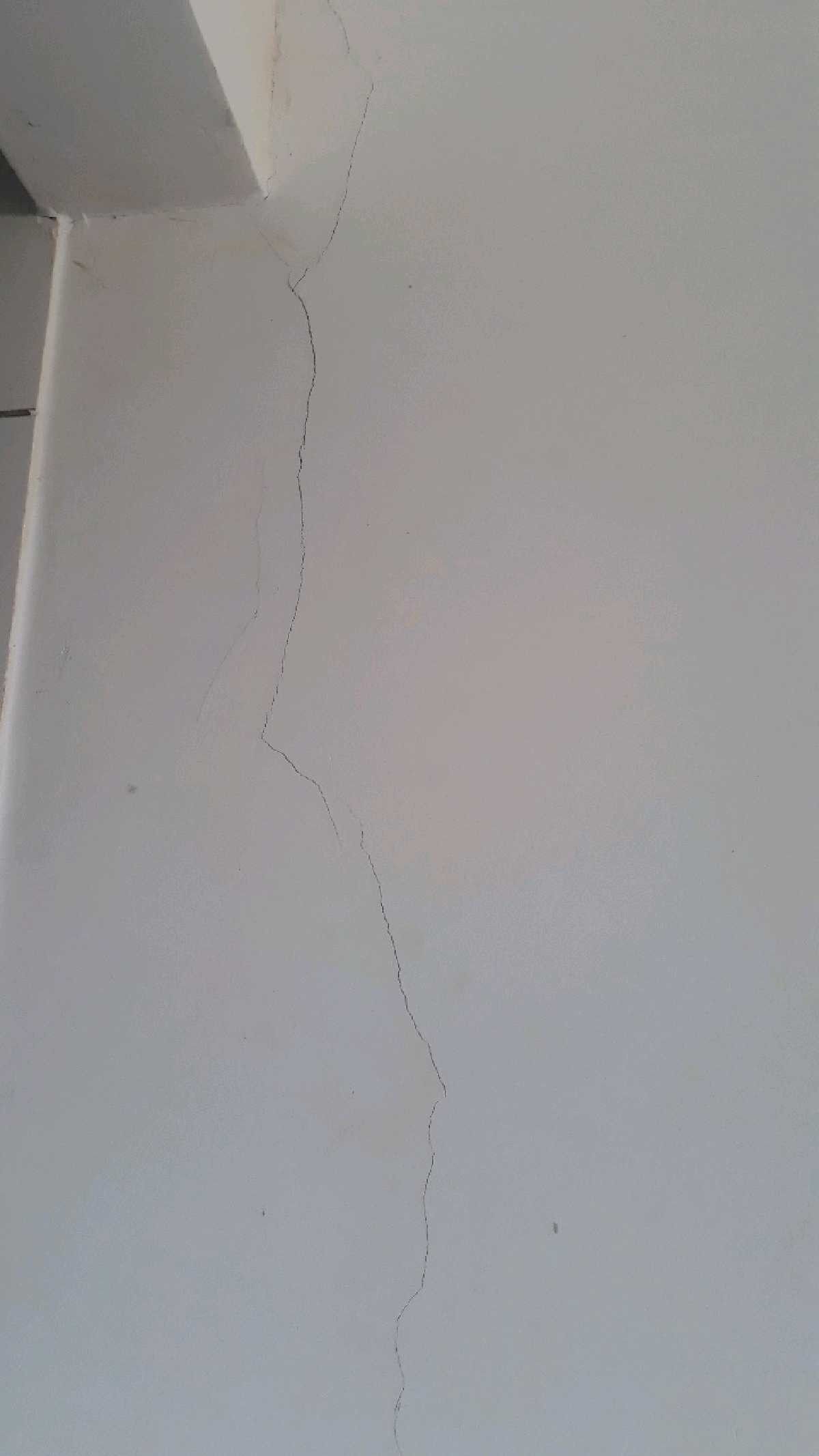
Run a hand along an Elora stone cottage's interior wall and the give underneath is different — old plaster over split lath flexes and cracks in fine map-lines, nothing like the clean puncture a doorknob leaves in drywall. IntraBuild repairs both across Wellington County — Guelph's older wards, Fergus and Elora's stone-built cores, the farm concessions toward Puslinch and Mapleton. We fill, tape, feather and sand every kind of wall damage until it disappears, then leave the surface primed and paint-ready. Our own crew builds new drywall too, so a wall better off re-boarded than chased with patches stays with people who've actually done that work. One price, put in writing, before anything gets cut.
A doorknob through a bedroom wall, a dresser corner that caught the stairwell during a Guelph move-out — we back the opening with fresh board or mesh, build the fill in layers, and feather it until the eye slides right past.
Newer south-Guelph subdivisions still settle into their footings, and a bumped corner bead is a fact of moving furniture anywhere — cut back, re-fastened or re-taped, finished flush so it holds through the next season change.
Fergus and Elora's limestone-built homes carry original plaster over wood lath, and it separates along its own long-set lines — different from drywall tape failure, and repaired by working with the plaster instead of against it.
An aging eavestrough on a farmhouse roofline, a slow leak nobody caught until the ceiling paint bubbled — soft board comes out to dry material, gets sealed, and goes back together clean.
Growth pockets around Rockwood and south Guelph are only a handful of winters old and still finding their footing — a hairline crack over a doorway or a nail slowly backing out is the house telling you it's settling, not failing.
Original plaster over lath in Fergus and Elora doesn't crack the way drywall tape fails — it separates along the lath lines as the stone shell breathes with humidity, which is why a drywall-only patch often looks wrong on a stone-home wall.
Farmhouses through Puslinch, Erin and Mapleton Township sit on foundations that shift slightly with the frost line each year, and that small annual movement is usually what's behind a corner crack that keeps coming back.
Student housing turns over hard twice a year, and drilled shelf anchors, hallway scuffs and the odd door swung too far are simply what a rental absorbs — routine wear, not a construction problem.
A scuffed corner in a Guelph rental and a stained ceiling in an Elora stone cottage don't cost the same to fix, so pricing follows what the wall actually needs — a quick patch, a torn-out section with new backing, or plaster that has to be cut back and rebuilt. As a guide, expect $120–650 per repair depending on tier, with a service-call minimum of $500, before HST. Match your damage to a tier below; a cost-by-job table follows.
| One patch, Guelph rental or house | $120–200 |
|---|---|
| Hole with new backing board | $220–380 |
| Stained plaster or drywall ceiling | $350–650 |
| Full-room plaster skim-coat | quoted on site |
The price on every repair includes patch, tape, sanding and a prime-ready finish — no separate call-out fee anywhere in the county. A one-repair visit usually lands close to the $500 minimum. These are guide ranges before HST; a free written quote locks in the exact figure once we've seen photos or walked the property.
Every August and April a run of nearly identical calls comes in from the same few streets — a hole behind a bedroom door, drilled shelf anchors, a scraped hallway corner. We batch several units in a day so leases don't slip.
These century interiors get patched the way they were actually built — new compound blended into old plaster over lath, never a flat drywall square dropped into a wall that isn't drywall.
Coach houses, converted barns and finished outbuildings move differently than the main house — settling, temperature swings and the odd chewed corner from wildlife are far more common out on rural lots than in town.
New owners in south-end subdivisions often call about a hairline crack over a doorway before their first repaint — a quick patch now saves chasing the same crack through the paint job later.
Older Guelph triplexes near downtown often mean furniture going up three narrow flights, and something always clips the wall on the way — usually a quick, single-stop patch once the lease turns over.
A finished Fergus basement sometimes still carries a furnace-access cut, a speaker hole, or a hatch an electrician left open years back — closed up properly instead of hidden behind a picture frame.
A slow leak from an upstairs bathroom in an older Guelph two-storey can go unnoticed for months before it shows as a ring on the kitchen ceiling below — once the source is confirmed fixed, we cut back the wet board and rebuild.
Wellington County has more converted barns and coach houses than most, and their walls carry their own wear pattern — a wider seasonal swing plus, more often than you'd think, a chewed corner nobody wants to talk about.
Bigger renovation jobs don't bump a repair call down the list here — most Wellington County homeowners want a hole or a crack gone this week, so that's the schedule repair work runs on.
Fine sanding dust doesn't respect century construction or new drywall — it spreads through both the same way if nobody controls it. We hang poly around the active zone and lean on vacuum-attached sanders wherever the job allows, so the rest of the house stays livable while we're there.
A written price is agreed before any tool touches the wall, and the crew carrying it out is the same fully insured team that frames our new drywall installs — nothing gets tacked on partway through.
Every patch is sanded and primed before we pack up, ready for whoever holds the roller next. Matching a century-home wall's colour is its own skill — our painting crew can take that on too, without a second appointment.
Send clear photos of the damage and we size it to a tier — a price in writing, typically settled before we've even scheduled the drive out to Guelph or Elora.
Furniture gets moved or covered, floors get protected, and poly goes up around the actual work zone — the same routine in a farmhouse kitchen as a downtown apartment.
Loose plaster or damaged board comes off until what's left is sound, then gets backed with fresh framing, mesh or backing board so the new material has something to hold onto.
Fresh board or filler goes in, seams get mesh or paper tape, and compound goes on in the first of several thin coats.
Each coat spreads a little wider than the last until the edge disappears, then everything gets sanded level.
Where the damage called for it, stain-blocking primer goes on last, and we walk the finished repair with you on our way out.
Most repairs across Wellington County finish in a single visit. Plaster work or a deeper ceiling repair sometimes needs a short return trip once the compound has fully cured — either way, the same two hands see it through.
Most repairs land between $120 and $650 depending on tier — a small patch at the light end, a stained ceiling section at the top — with a service-call minimum that scales with the job, before HST. Send photos or book a visit for the exact number in writing.
Most patches, cracks and nail pops go from cut to primed in one visit. Anything needing compound to cure fully between coats — a deeper ceiling repair, mostly — may need a short second stop.
Both. Fergus, Elora and older Guelph still carry plenty of original plaster over lath, and we patch it in kind rather than forcing a drywall-style fix onto a wall that isn't built that way.
Yes — knockdown, orange peel and smooth finishes are all matchable, so the repaired section reads as part of the wall rather than a flat spot once the paint goes on.
Often, yes — original plaster can be chalkier and more porous than drywall, so we prime accordingly so paint bonds evenly instead of soaking in patchy over the repaired area.
Regularly — Puslinch, Erin, Mapleton, Minto and everywhere between are within reach, and a longer driveway just gets factored into the written quote rather than tacked on as a surprise.
Bracing a ladder or platform overhead slows everything down compared with a wall at eye level, and that extra time shows up in the price — expect roughly 20–30% more than the same repair done on a wall.
A crack here, a hole there is patch territory. Once plaster or drywall has let go in several rooms at once, the math flips — full re-board through our drywall installation side typically lands close to the same total, with a cleaner, more consistent result.
Drywall repair isn't limited to Wellington County — IntraBuild works right across the GTA and Southern Ontario, all on one written per-square-foot price with no separate travel fee.
A customer in Elora once sent photos of a plaster crack she was sure meant the whole ceiling had to come down. It didn't — one written quote, one visit, one patch feathered into ninety-year-old plaster, and she repainted the room herself that weekend. Most calls end that simply. Send a few photos of whatever's going on and IntraBuild will size it to a tier and reply with a written price, usually inside 48 hours. Free, and no pressure either way.
Get a free quote