Working Hours: Mon–Fri 9:00–18:00 · Sat–Sun Closed
[email protected]
|
(647) 558-8723
York Region reads like a tree's growth rings: older cores in Thornhill and Richmond Hill that have been settled for decades, then ring after ring of newer construction pushing out toward Stouffville and East Gwillimbury at the edge. IntraBuild reads the ring before patching it — a century-adjacent crack near an old core behaves differently than a truss-lift line in a five-year-old subdivision two rings out. Every repair, wherever it falls on that map, is filled, taped, feathered and sanded flush, then left primed and paint-ready. Small jobs are welcome, and every price is written and agreed before anything is cut.
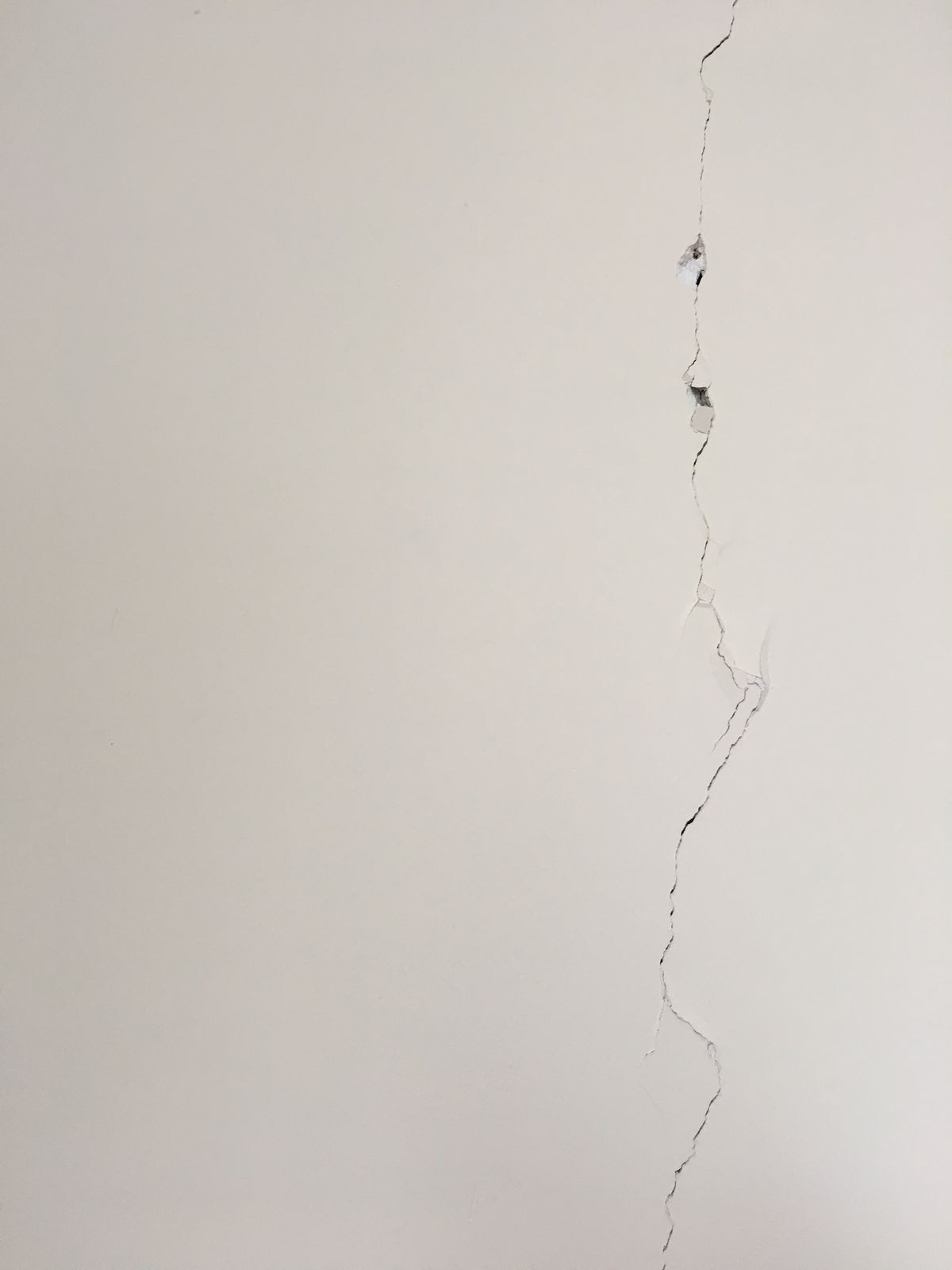
"Why does this crack keep opening in the same spot every February?" is a question we hear constantly across York Region's newer rings — the subdivisions in Vaughan, Markham and further out toward Stouffville that are still settling into their frames. Closer to the older cores in Thornhill and Richmond Hill, the question changes: "Is this just how an older wall looks, or does it need real work?" IntraBuild answers both the same way — holes, cracks, failed seams and water stains filled, taped, feathered and sanded until the patch disappears, then primed for paint. The crew doing it also installs our new drywall, so the advice on repair versus re-board doesn't shift depending on which ring you live in. A number gets agreed in writing before the first cut.
The seasonal gap between a ceiling and an interior wall — common across York's newer roof-truss subdivisions in Vaughan and Markham — reopens every year if it's only ever caulked. We tape and finish it with a joint built to move with the seasons instead.
Homes in the region's original cores were framed and finished decades before the outer rings, and a crack there can mean something different than a new-build settling line. We read the wall before deciding whether it's a quick patch or something more.
Grand entries in Woodbridge and Angus Glen homes often show truss-lift cracks first — right where a tall ceiling meets the wall, sometimes two storeys up. We work from scaffolding or a lift to patch it properly, not just from a ladder.
Homes carrying three generations under one roof see more hallway traffic, more doors, more day-to-day wear — scuffed corners, worn baseboards, the odd doorknob hole. We keep up with it without treating every repair like a renovation.
Roof trusses expand and contract with the seasons more than the walls below them, and where they meet an interior wall — often above a tall foyer or stairwell in Vaughan and Markham — a crack can open every winter and close every summer.
Larger homes with soaring foyers and great rooms have more framing and more drywall to settle in during their first several years — cracks tend to show up higher and further from a door than in a smaller home.
Thornhill, Richmond Hill and other established neighbourhoods carry decades more settling than the newer edges, so a crack there is often the house finally catching up with itself rather than a fresh problem.
More people under one roof means more traffic through hallways and stairwells — door handles, corners and baseboards take more day-to-day hits, adding up to a steady, ordinary stream of small repairs.
What a York Region repair runs depends on which ring it's in — a truss-lift crack in a five-year-old Stouffville subdivision, a scuffed hallway in an older Thornhill home, or a quick touch-up before a Richmond Hill listing goes live. As a guide, expect $120–650 per repair depending on tier, with a service-call minimum of $500, before HST. Pick the tier closest to your damage; a cost-by-job table sits below.
| A single small patch | $120–200 |
|---|---|
| A truss-lift crack over a foyer | $220–380 |
| A stained ceiling section | $350–650 |
| Whole rooms / full skim | quoted on site |
Patch, tape, sanding and a prime-ready finish are folded into every price, with no add-on for travel anywhere in York Region. A single repair typically sits near the $500 floor. Treat the ranges above as a guide before HST — the free written quote is what fixes the actual number, once we've seen photos or the site.
Grand entries with ceilings two storeys up are a York Region signature, and they're also where truss-lift cracks show up first — a line opening at the wall-to-ceiling joint above the front door. We patch from scaffolding or a lift so the fix actually reaches the damage.
Almost every roof-truss subdivision from Vaughan to Stouffville shows the same seasonal crack where trusses meet an interior wall. Caulk alone reopens it every winter; a proper taped, flexible joint holds through the freeze-thaw cycle instead.
Many York Region homes house three generations under one roof, and that means more hallway traffic, more doors in daily use, more day-to-day wear on corners and baseboards — steady, ordinary repairs rather than one big event.
A nail pop by the stairs, a scuffed primary bedroom wall, a years-old doorknob hole — cleared up fast before listing photos or a showing in a market that moves quickly. We work around a closing date, not the other way around.
Furniture doesn't get gentler just because a neighbourhood is established — a stairwell corner in an older Thornhill two-storey or a hallway wall in Unionville takes the same dings as anywhere else, and we clear most of them in a single visit.
A finished basement in Oak Ridges or Maple often carries a cutout nobody ever closed properly — an old alarm panel, a speaker-wire hole, an access panel an HVAC tech left open. We patch it in rather than cover it with a picture frame.
A ring spreading across a kitchen ceiling in Cornell or Stouffville almost always means a bathroom leak directly overhead. Once that's confirmed fixed, we cut back the wet section, seal it, and rebuild the ceiling clean.
A newer estate home's first full heating season is usually when fastener pops show up along a ceiling line or a stairwell wall, as the frame and drywall settle into normal humidity swings. One proper patch beats chasing it with touch-up paint every year.
A truss-lift crack or a scuffed wall doesn't sit behind a bigger renovation on our schedule — and when a listing or closing date is attached, it moves up the board entirely.
Poly seals off the work zone before the first cut, and sanding runs through a vacuum attachment wherever the tool allows — worth more in a home with three generations and a full schedule under one roof.
Every number is agreed in writing first, with nothing added once we're inside the wall, and the crew carrying out the repair is the same fully insured team behind our new drywall installs.
Sanded smooth and primed is the standard finish. Ahead of a listing, our interior painting crew can blend the patch and touch up the room in the same visit.
Photos usually settle the price before anything else — most York Region repairs get sized to a tier and answered straight from the images.
Floors and furniture get covered, poly seals off the work zone, and drop sheets catch dust and debris before the first cut goes in.
Damaged board is cut back until only sound material remains, then backed with fresh board, mesh or new framing so there's something solid underneath the patch.
New board or filler goes in, seams get mesh or paper tape, and compound goes on in the first of several thin layers.
Layer by layer, compound spreads wider with each pass — the final sanding is what actually makes the patch disappear.
Primer goes on wherever the repair calls for it — a stain-blocking coat — then we walk it through with you before leaving a wall ready for paint.
Across York Region, one visit typically covers every stage. A two-storey foyer crack or a stained ceiling can be the exception, needing a short second trip once compound's cured, or scaffolding to reach the work safely.
Most repairs run $120 to $650 depending on tier — a small patch at one end, a water-damaged ceiling section at the other — with a service-call minimum that scales with the job, before HST. A free written quote from photos or a visit sets the exact number.
We can provide photos and a written scope of the drywall damage for your claim, but we don't process claims directly — that stays between you and your insurer or adjuster.
Just the drywall. The source — a roof, plumbing, an ice dam — needs fixing first, by us or your plumber or roofer, or the water stain simply comes back through the new patch.
A dry, flaking stain with no fresh moisture is usually old damage safe to patch immediately; anything damp to the touch needs the source confirmed sealed first, which we'll flag before starting.
Yes — a proper repair uses a taped, flexible joint rather than just caulk, so it moves with the seasonal gap instead of cracking open again every winter.
Most patches, cracks and nail pops finish in a single visit, from the first cut through the final coat of primer. Bigger repairs, or ones where the compound needs to fully cure, may call for a short second visit.
Generally, yes — overhead access is slower and often needs bracing or a platform, pushing ceiling repairs about 20–30% above a comparable wall repair. A two-storey foyer adds scaffolding time on top of that.
Yes — we prioritize repair calls tied to a listing or closing date, and most patches, cracks and nail pops are quoted from photos and completed in a single visit.
Drywall repair isn't limited to York Region — IntraBuild works right across the GTA and Southern Ontario, all on one written per-square-foot price with no separate travel fee.
Late winter is when truss-lift cracks tend to show up again and ceiling stains from a slow ice dam finally surface — if that's what's happening in your foyer or kitchen right now, send photos and we'll size it to a tier and send back a written price, usually within 48 hours. Small jobs are genuinely welcome across Markham, Vaughan and Richmond Hill, any time of year. Free, no pressure.
Get a free quote