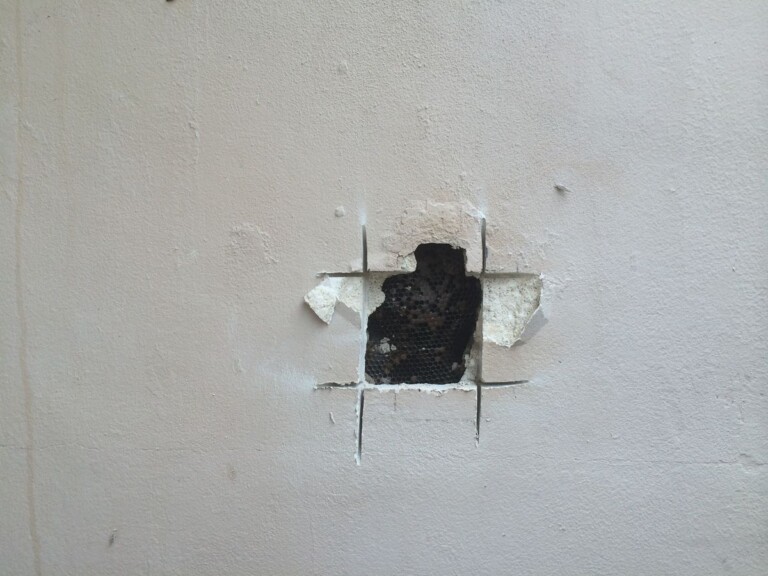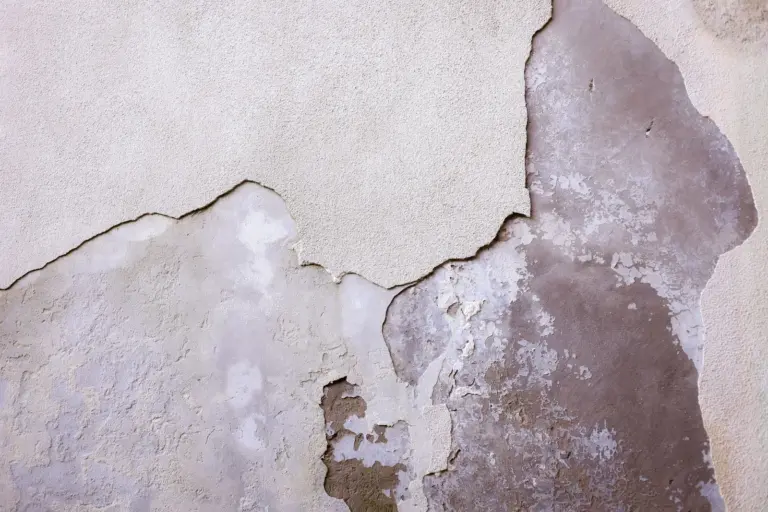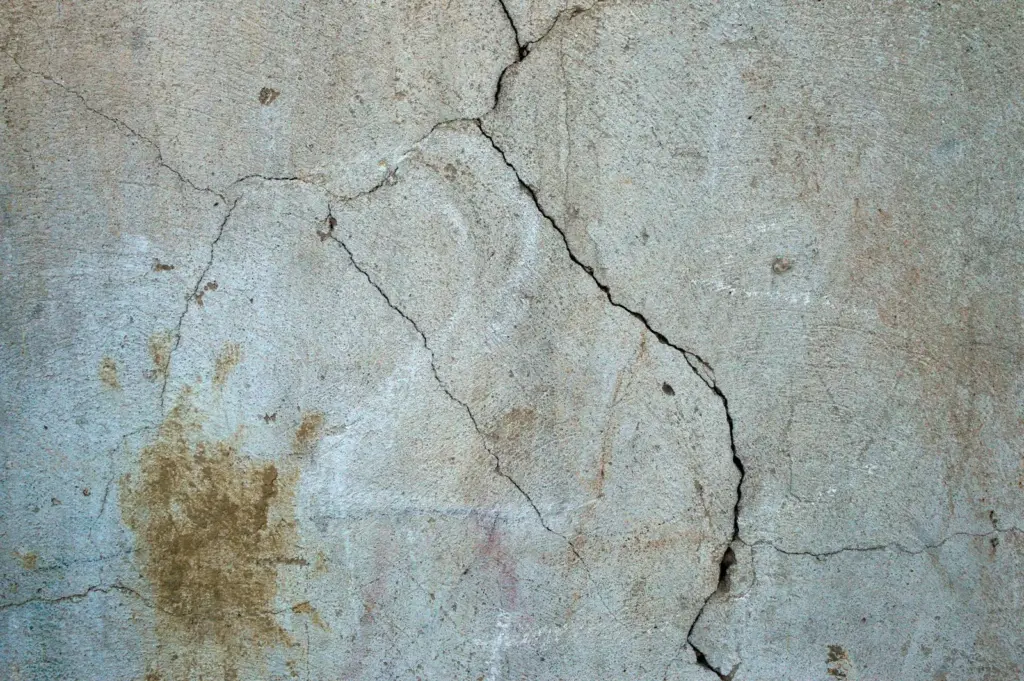
Short answer: nail pops and hairline cracks in a new house are, in the great majority of cases, the framing drying out and settling during the first year or two. The lumber shrinks, the house takes its weight, the first winter dries everything further, and the drywall shows it at the fasteners, the seams and the corners above doors and windows. It is cosmetic, it is fixable for good if it is done properly, and it lands in the Patch tier of our repair pricing — $120–200 per repair, several in one visit, with a $200 service-call minimum, before HST. Three signs mean it is not cosmetic and need a structural engineer or the builder before anyone patches: a crack that is stepped or diagonal and getting wider, doors and windows that have started to stick or will not latch, and cracks in the foundation or exterior brick that line up with the ones inside. Below: what a nail pop is, why filling a crack does not work, a symptom table, when to fix, and where the builder’s warranty fits.
What a nail pop is
A nail pop is a small round bump or crater on the wall, often with a crack around it, where a fastener has pushed the joint compound off. The fastener itself has not moved — the wood behind it has. Framing lumber goes into a new house with a fair amount of moisture and dries over the first year, shrinking and pulling away from the back of the drywall; the board settles a fraction, the head of the nail or screw stays where it was, and the compound over it cracks and lifts. Nails pop more than screws because they have less grip, which is why builders’ walls pop and repaired walls usually do not.
The correct fix is not to push the fastener back and fill over it. A new screw goes in beside the pop, an inch or two away, pulling the board tight to the stud; the old nail is either driven slightly below the surface or removed; and the crater gets two or three thin coats of compound, feathered wider each time, sanded and primed. Done that way, it does not come back. Filled and painted without the screw, it is back by the following spring.
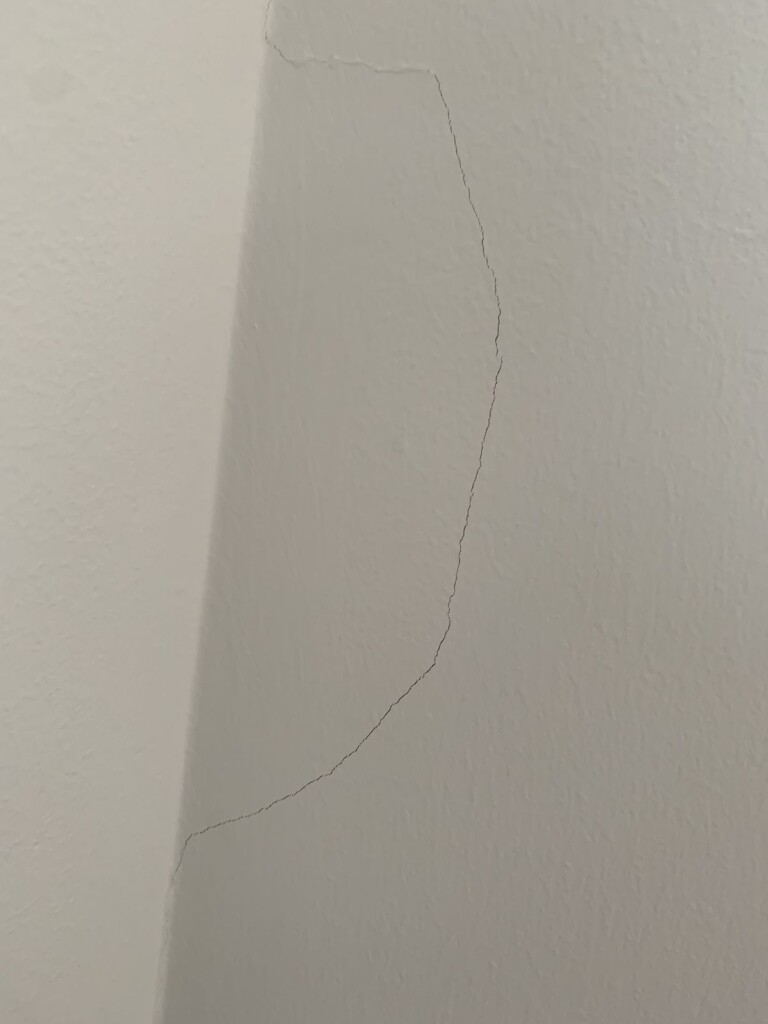
Hairline cracks and why filler alone fails
Cracks in a new build appear in predictable places: diagonally from the corners of door and window openings, along the seam where two sheets meet, at the line where the ceiling meets the wall, and at inside corners. All of them are movement — the framing shrinking, a header settling, a truss lifting with seasonal humidity. A crack that is only filled with compound is a crack with compound in it; the next movement opens it again. The repair that holds bridges the crack with paper tape or fibreglass mesh set in compound, then two or three coats over that, feathered out so the repair disappears. On a ceiling-to-wall crack that opens and closes with the seasons, a flexible caulk in the corner is sometimes the honest answer rather than a rigid repair that will re-crack.
Symptom by symptom
| What you see | Likely cause | What to do | Pricing |
|---|---|---|---|
| Nail pops — small bumps or craters, often several per wall | Framing drying and shrinking in the first year or two | Screw beside each pop, fill in two or three coats, prime; do the whole house in one visit | Patch tier, $120–200 per repair, multiple per visit |
| Hairline crack along a seam | Sheet movement as the framing settles | Tape or mesh over the crack, two or three coats, feather and prime | Patch tier |
| Crack at an inside corner or where ceiling meets wall | Seasonal humidity, truss movement | Re-tape the corner; flexible caulk where it opens and closes each year | Patch tier |
| Diagonal crack from a door or window corner | Header settling — normal when hairline and stable | Tape, coat and feather; watch it for a season | Patch tier |
| Lifting tape or a seam that has opened | Failed original taping | Cut out the loose tape, re-tape and coat | Standard tier, $220–380 |
| Wide, stepped or diagonal crack that keeps growing; sticking doors; cracks in foundation or brick | Possible structural movement | Stop. Have a structural engineer or the builder assess it before any patching | Not a drywall repair |
| Crack or stain on a ceiling after a leak | Water, not settling | Fix the leak, dry, then repair with stain-blocking primer — see our guide to water-damaged drywall and ceilings | Water & Ceiling tier, $350–650 |
The tiers are on the drywall repair page, and what each covers is in our guide to drywall repair cost in Ontario. Cracks in an older plaster house are a different subject, in our guide to plaster vs drywall in older homes.
When to fix them
The typical advice is to let the house go through its first heating season — the winter dry-out is when most of the shrinkage happens — and then repair everything at once, ideally just before the first full repaint. Fixing pops in month three means fixing the new ones in month fifteen. Two exceptions: a crack that is growing or stepped gets looked at immediately, for the reasons above, and a house being sold or rented gets repaired when it needs to look right. Because every repair ends prime-ready, the sensible sequence is repairs first, then paint — one crew, one visit for the patches and one for the paint, priced together on our interior painting packages so the touch-ups match.
The builder’s warranty
New homes in Ontario come with warranty coverage through Tarion, and the builder’s own after-sales service handles the first round of defects. As a general pattern, nail pops and settling cracks are treated as cosmetic and are addressed within a defined window after closing, while structural cracks are handled under longer coverage; check your Tarion coverage and deadlines, because the submission windows are fixed and missed dates are missed. Two practical notes from the drywall side. Builders’ service crews are often fixing many houses in a subdivision at once, and a quick fill-and-paint is common — if the pops return, they were not screwed. And a warranty claim is worth making for anything structural, but for the cosmetic round many owners simply have it done properly, once, on their own schedule, because with a $200 minimum either way it is worth doing right.
Why new subdivisions see more of it
Brampton, Milton, Oakville and the newer streets of York and Durham are where we see the most nail pops per house, and the reason is not poor work so much as pace: houses framed quickly, sometimes in wet weather, closed in and drywalled before the lumber has dried, then heated hard through the first winter. The shrinkage that an older house did decades ago happens in the first eighteen months of a new one. Long open-plan walls and high ceilings show it more than small rooms. Local pages: drywall repair in Brampton, drywall repair in Milton and drywall repair in York Region.
Getting a price
Walk the house with a roll of painter’s tape and mark every pop and crack — there are always more than you think — then photograph each wall with the tape on it and send the photos with a count. Patch-tier repairs are priced per repair with multiple per visit, so the $200 minimum is absorbed quickly and the price is known before anyone arrives. Say whether you want the walls painted afterward so it is quoted as one job. IntraBuild repairs drywall across Toronto, the GTA and Southern Ontario: one insured crew, a written price, no travel fee. Get a drywall repair quote or call (647) 558-8723.
Frequently asked questions
Are nail pops normal in a new house?
Yes. They are the framing drying and shrinking in the first year or two and are cosmetic. A house with a dozen or more is not unusual. They are fixed by screwing the board tight beside each pop and filling in coats, not by filling alone.
When should I worry about cracks in walls?
When a crack is stepped or diagonal and getting wider, when doors or windows have started to stick or will not latch, or when there are matching cracks in the foundation or exterior brick. Those need a structural engineer or the builder before any patching. Hairline cracks at seams and corners that stay the same size are settling.
How much does it cost to fix nail pops?
$120–200 per repair at the Patch tier, with multiple pops done in one visit and a $200 service-call minimum, before HST. A whole-house round of pops and hairline cracks is usually one visit; painting afterward is quoted separately.
Will cracks come back after repair?
Not if they are taped rather than just filled, and not if the house has finished its main shrinkage. A repair made in the first few months can be followed by new cracks elsewhere as settling continues, which is why waiting for the first heating season and doing everything at once is the usual advice.
Should I wait a year before fixing new-build cracks?
Typically, yes — through the first winter — unless a crack is growing, the house is being sold or rented, or you are painting anyway. Check your Tarion deadlines before waiting, so a warranty submission is not missed while you do.